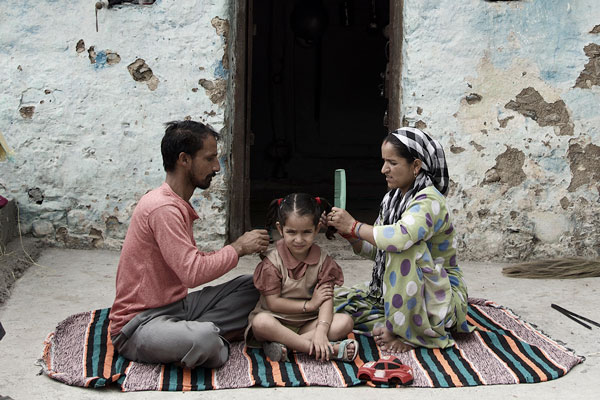
























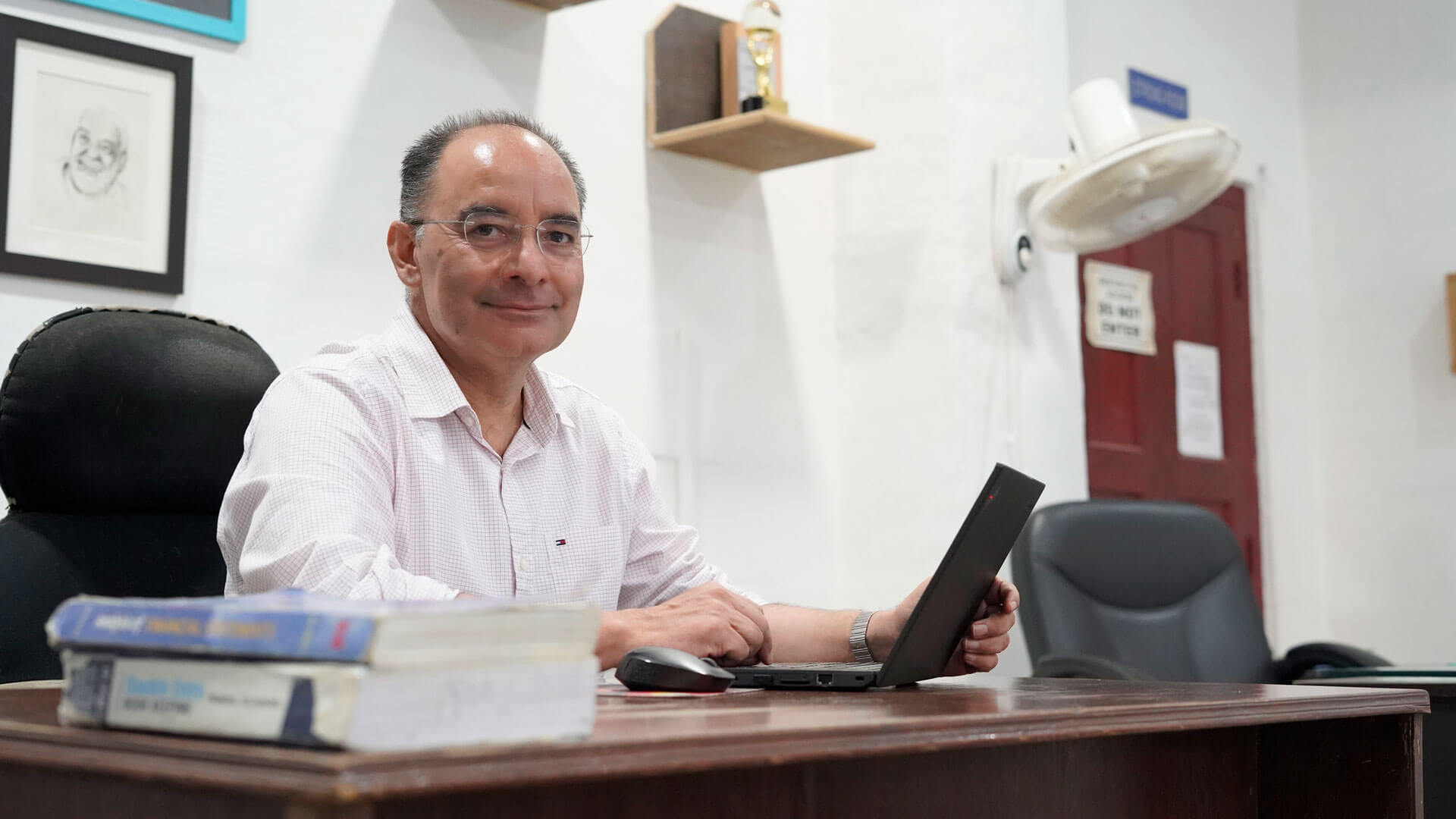
Purkal Youth Development Society (PYDS) is a registered Society located in village Purkal, a semi-rural region on the outskirts of Dehradun, Uttarakhand - a state with low socio-economic indicators. We provide quality education and holistic care through a CBSE-affiliated school, from Class I-XII, to children (predominantly girls) from deeply needy and underprivileged families. This is done through a combination of high-quality academics, adequate nutrition, health care, and full exposure to co-curricular areas, at no cost to them. The ultimate objective is to prepare them for adequate employability.
In 2021-22, PYDS achieved milestones despite COVID-19 challenges. PYDS maintained uninterrupted classes, mobilizing resources so that students received mobile devices and were trained to use the same to access online classes promptly. A progressive pedagogy, flexibility of class hours, and effective integration of technology were key in enhancing student participation.
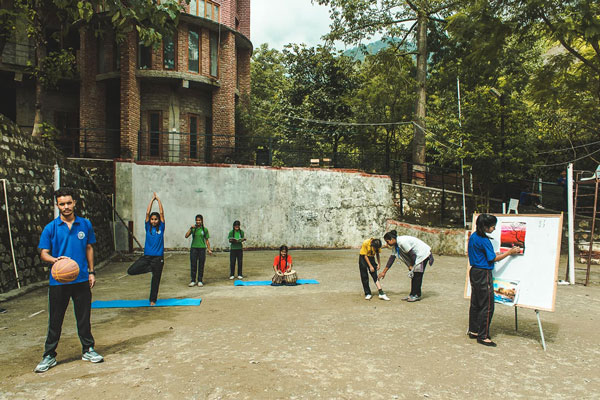
After the two difficult COVID years, the school is back to normal and the classes are alive with students. As a part of our focus on providing well-rounded education, our students have already started participating in events including volleyball tournaments, debate competitions, movie making, TED Talk etc.
The Society has organized inter and intra-state educational trips every year. Over the years, our students have travelled to Odisha, Maharashtra, Tamil Nadu, North East, Gujarat and Himachal Pradesh. All such trips are full of learning not only in terms of places visited and its significance but also how the group conducts itself on parameters such as teamwork, not littering, living together, adhering to instructions and most importantly developing a feeling of gratitude for people who help our society in various ways. For the current year, we have planned to send three groups to Delhi in regular intervals. Out of this 2 trips have been successfully completed and the third trip will be concluded before end on 2022.
We look ahead at 2023-24 with a sense of cautious optimism. Like every year it will bring forth its challenges, some new, some repeated. But we enter it confident in our ability to assess the issues around each one, and our belief in being able to overcome these.
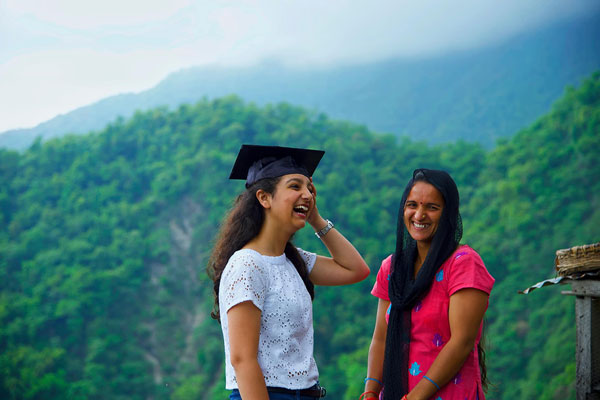
With 381 pass out till date, 232 are pursuing higher education and 139 are successfully placed, we yet again proved our firm belief that:
“Life is for Giving”