

































www.purkal.org
  || ||


Frequently Asked Questions
.
Q.1 What is special about us?

Q.2 Why did you choose this activity and location?

Q.3 What was the impact of our activity over a specified period of time?

Q.4 How have the local people been involved?


Q.5 Why do we think the activity impact will be sustainable? Provide economics where applicable.

Q.6 Can the activity be replicated elsewhere in different agro-ecological zones, different social structures etc.by you or anyone else?

Q.7 What are our plans for the future?

Q.8 Other Comments.
 
 
Q.1 What is special about us?
 

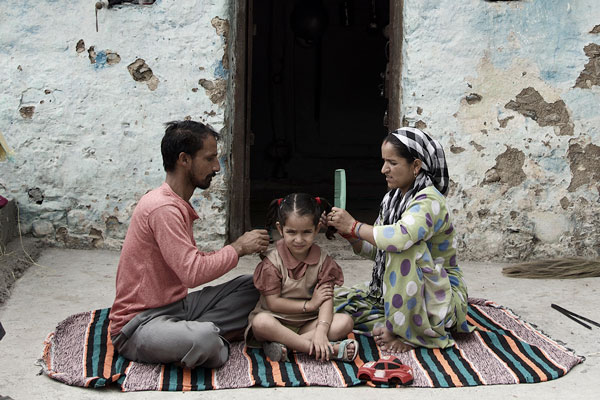
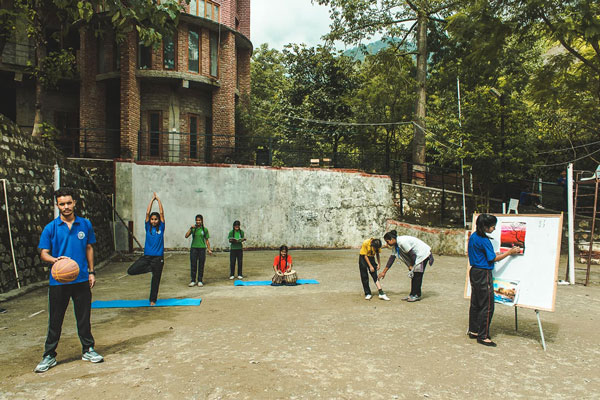
We are different from many other initiatives since we select bright very poor rural children and thereafter provide them everything necessary to excel. Our commitment to each of these children is for a long period of about 14 years. Excellence in learning is our goal, but we also give good health support and a balanced diet to enable these children excel. There are four feeds a day and complete medical help. Development of the physical and aesthetics through music, dance and fine arts, Field visits inside India and adventure are also part of our programme.

idscoveri supports us with the XSeed Programme to help learning. This helps raise the bar in the class rooms. The training of teachers is an on- going exercise. The Global Education and Leadership Foundation helps with Leadership skills. We have other organisations and volunteers supporting. The support that we provide children is free of cost.

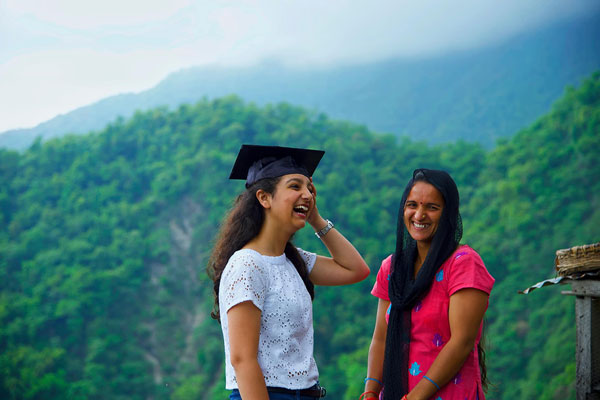
All our deserving students are supported beyond their 12th. We career counsel, help them prepare for competitive examinations and finally support through graduate professional programs.

We have survived over 10 years. The performance of children who have gone through our care has been satisfying. The intention is to help bright rural children excel with all the necessary inputs so that they become change Agents in the community in which they live.

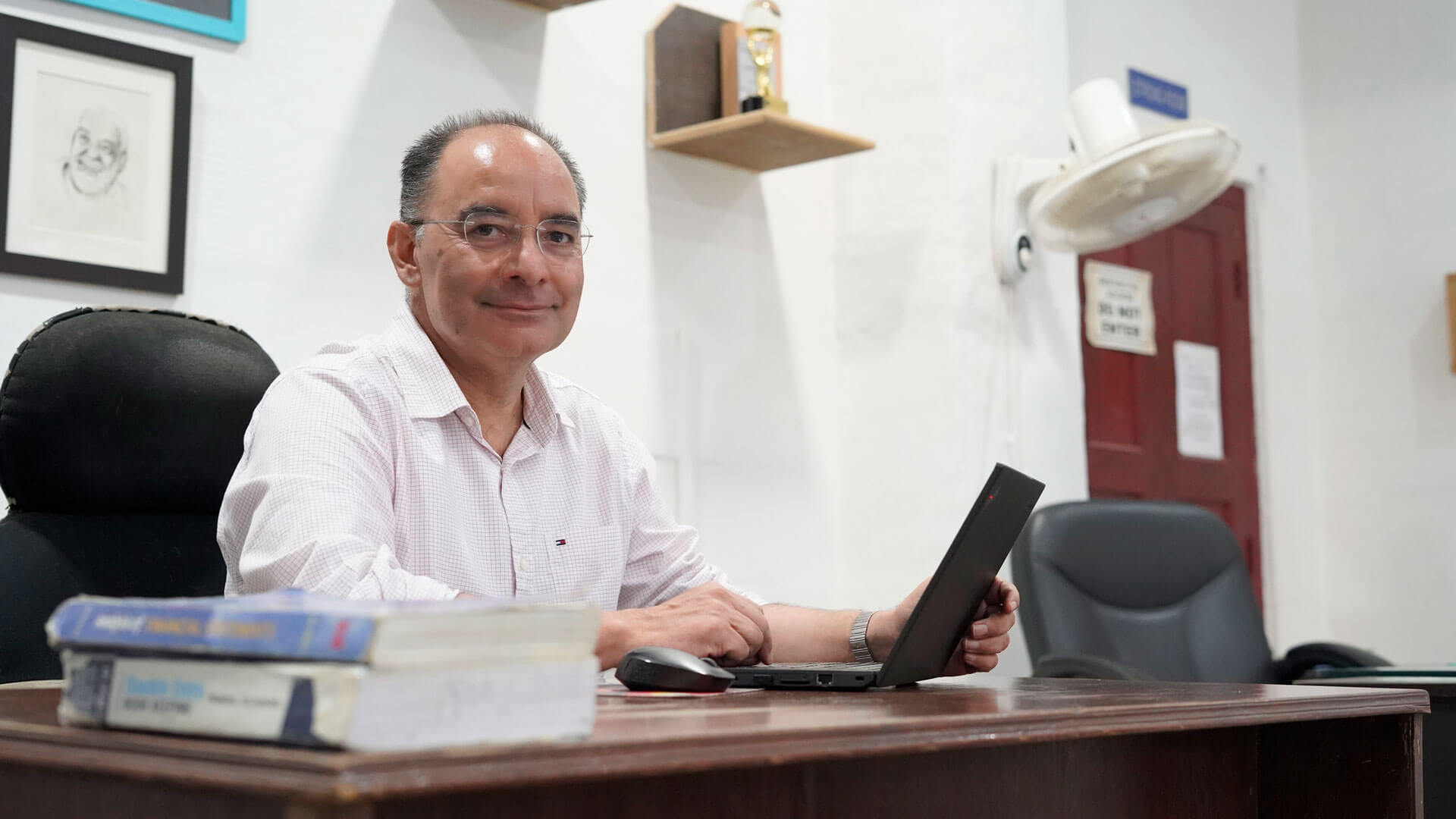
The entire management works free and also donates.

We have been certified by The Charity Aid Foundation and have been approved for listing by Give India.

A very large number of friends make donations that keep the wheels moving and the Community benefitting. We have no other revenue source.


Q.2 Why did we choose this activity and location?
 

This is a backward rural area in the foothills of the Himalayas and several villages here lack infrastructure and the standard of living of many is low. Job opportunities are limited and agriculture in the Hills is not easy or economically viable. The levels of health care and opportunities to the poor for education are limited to Government schools. These schools function poorly. The teacher’s either do not attend regularly or if they do are not able to deliver Learning for a variety of reasons.

The attempt was to do something on one’s own initiative instead of being content with bemoaning and complaining. The initiative to teach children was based on the conviction that good Learning is the basis of all progress.

Unfortunately, the poor in the Community did not even understand that education did not happen with the child merely going to ‘any’ school and succeeding with progress reports that showed that the child had passed the academic year. The authors of the Trust did find many young people with ‘Degrees’ being unemployable and therefore disillusioned.

The attempt was therefore to provide quality education at the least possible cost. Soon the realization came that good health and good nourishment was essential prerequisites if there had to be good learning.

Good teachers were hard to come by and training teachers was a challenge.

The location was chosen since the authors of the initiative decided to live in this Community


Q.3 What was the impact of our activity over a specified period of time?
 

To claim that the changes are attributable exclusively to our initiatives would be false. Notwithstanding, some assertions can be made.

About 400 children who have been in our care have become role models. They have changed aspiration levels.  Priorities are now different and many families will now join the middle class. These children have become the change agents for the Society in which they live.

The desire for ‘Good’ schooling as opposed to ‘any’ schooling is a change and many families now spend money to educate.

The confident children in our care have led many in the community to experience healthy envy. The exposure that our children have earned through travel and meeting with outsiders is appreciated. That good nutrition and reliable health care are prerequisites for the growth of children is now common knowledge.

Aspiration levels have also grown. The several options for a career available are now being widely perceived. The attempt to prepare and access employment opportunities in the knowledge based service industries is now widely prevalent.

One noticeable change is that the community which 10/12 years ago purchased two news papers in Hindi now reads about 50 in both English and Hindi.

It is however difficult to provide hard data to support our perceptions. Other developments have also contributed to the changes. Our initiative with education has been supported with certain other initiatives of ours, such as that which promoted income generation (Our Stree Shakti Division for women empowerment), sanitation (52 toilets built in as many homes) and a thrust on the importance of the girl child.


Q.4 How have the local people been involved?
 

The education that we provide is strictly limited to the children of the locals. The emphasis on the education of the girl child met with some resistance initially but is now well supported.

The employment opportunity that this enterprise has created is benefitting the locals. About 50 locals have gained a regular income by way of a monthly salary. 20 others have earned through regular casual labour.

The care that we take in picking up the poorest among the locals has brought in the involvement of a wide spectrum of the community.

Many girls in the community now see this as an opportunity to pursue teaching as a career. We have also examples of girls who dropped out of school earlier, going back to the NOS to finish schooling and thereafter take up a regular career.

The Panchayat has facilitated the construction of our school building and is now in the process of granting additional gram Sabha land to the school to supplement the School’s own property. We have been using some privately owned land around the school to pursue our purpose without paying any compensation thanks to the willing co-operation of the owners.

Our enterprise is fully dependant on donations and we now have two donors from among our own residents who support our cause


Q.5 Why do we think the activity impact will be sustainable? Provide economics where applicable.
 

Donations sustain all education, nutrition and health care.  While we are attempting to build a Corpus to support this activity, this will take time. In the meantime the best option appears to be to attract corporate support for the work. We have since raised such support for 4 Classes out of the 13 that we manage. This is Rs. 8 Lacs for each class of 21 children. We shall target more Corporates and do believe that we will win them. Over 500 individual donors support the cause and they are the contacts that spread the word and assemble more friends.

This support is supplemented by the free service that is provided to us by certain institutions such as  idiscoveri, Gurgaon. They give us the Xseed Programme and all the course materials that go with it. Another institution that is supporting us is The Global Education and Leadership Foundation - helping us with the development of Leadership skills. The International Award for Young People is financing some of the adventure activities. There are volunteers among other individuals and Institutions.

What appeals to all these contributors is the idea that the brighter among the  first generation learners chosen from among the poorest and the most disadvantaged are being given the best possible to help them excel.

The investments that have been made in infrastructure will help in letting this initiative sustain but the best guarantee is the continued dedication of the promoters and evidence of the continued success of this wonderful idea.  It is the selfless pursuit of this grand vision by the promoters that can guarantee success in the future.


Q.6 Can the activity be replicated elsewhere in different agro-ecological zones, different social structures etc.by you or anyone else?
 

We strongly believe that we have developed a replicable model and that it can be organised in any community that has disadvantaged people incapable of sustaining an all round development plan for their bright youth. If the community has a degree of prosperity and therefore a population needing only a subsidy and not full finance, the proposition becomes easier. The important part is to ensure that bright children get an opportunity to develop every aspect of their personality. This need exists widely, be it rural agro or urban slums.

Such a development is dependent on the identification of the right type of candidates and the assembling of volunteers. The fair number of retired individuals with wide experience present in our country can be harnessed to help.

Our thrust is not on providing universal education to all concerned but to help bright students, particularly the girls, obtain exceptional attention for their total development. While this idea sounds elitist, the cultivation of exceptional talent present among the economically disadvantaged is important for the future of the country. This does not imply that we either decry the need for universal access to good education or wish it be given lower priority.

We would be very happy to replicate this model in another community nearby if we are given the support of a Foundation or a Corporate. It will be very worthwhile in terms of the Change Agents that it will generate and the demonstration that it will make of the potential of good education to change lives.


Q.7 What are our plans for the future?
 

To begin with we need to consolidate this initiative. We need to help children complete their secondary and senior secondary school levels under our care, so that they have the intense attention under our Day Boarding Programme. This will imply our affiliation with a good Education Board for Secondary/Senior Secondary activities. As of now we sponsor our children into another day school in the city and although we bear the costs involved, their development in that school is not as complete as it is with our care.

Our infrastructure will need strengthening. Additional buildings and better access to technology are essentials. In the meantime we will also need to strengthen our Organisation and the teaching staff.

The finances of the Society will also need to be on a sounder footing. Our maturity over the years has made us a more attractive support option. Thanks to the increasing number of good students whom we are producing interest in supporting us is growing. If we continue this good work it can only improve in the future.

However the most urgent need is the discovery of wide corporate support so that the future of the Society’s finances in the context of the stresses of inflation is not unduly oppressive. No initiative of this nature can remain stagnant in either its scope or in the extent of its vision. Post school preparation and professional programmes that follow are constantly becoming more expensive and scholarships and finances are still not easy. These supports will also need development. 


Q.8 Other Comments.
 

The most important will be to ensure that we make this facility available to the poorest among us. The tendency is for the better among the not so rich to grab any such opportunity. What we need to realise is that the least advantaged can hardly compete with even the marginally better if they are evaluated in Learnt skills. Many little ones get no help at all and therefore what needs to be assessed is their keen intellect, diligence, keenness to win and perseverance. Non-verbal reasoning tests could help. The attitude of the parents to support excellence needs to be another criterion.

Poor nourishment is another impediment. It is best to begin very early with a child, possibly at age 3. This is what we have done with our starting an Early Childhood Learning Programme. We have gone even further by getting the mothers of these children a means of living and helping them become aware of the importance of pre natal and post natal nourishment and care. Our Stree Shakti Division is an effort in that direction.

Admittedly an initiative of this nature is expensive but it is important to invest in them to help exploit the potential of our very best. Providing holistic attention to the intellect, the physical, the emotional and the spiritual are the ways in which we can develop and build the leaders of tomorrow and we need them in large numbers if this country and the world is to become a better place to live in.


©Purkal Youth Development Society
Designed and Developed by Manjeet